Aerospace Edtech
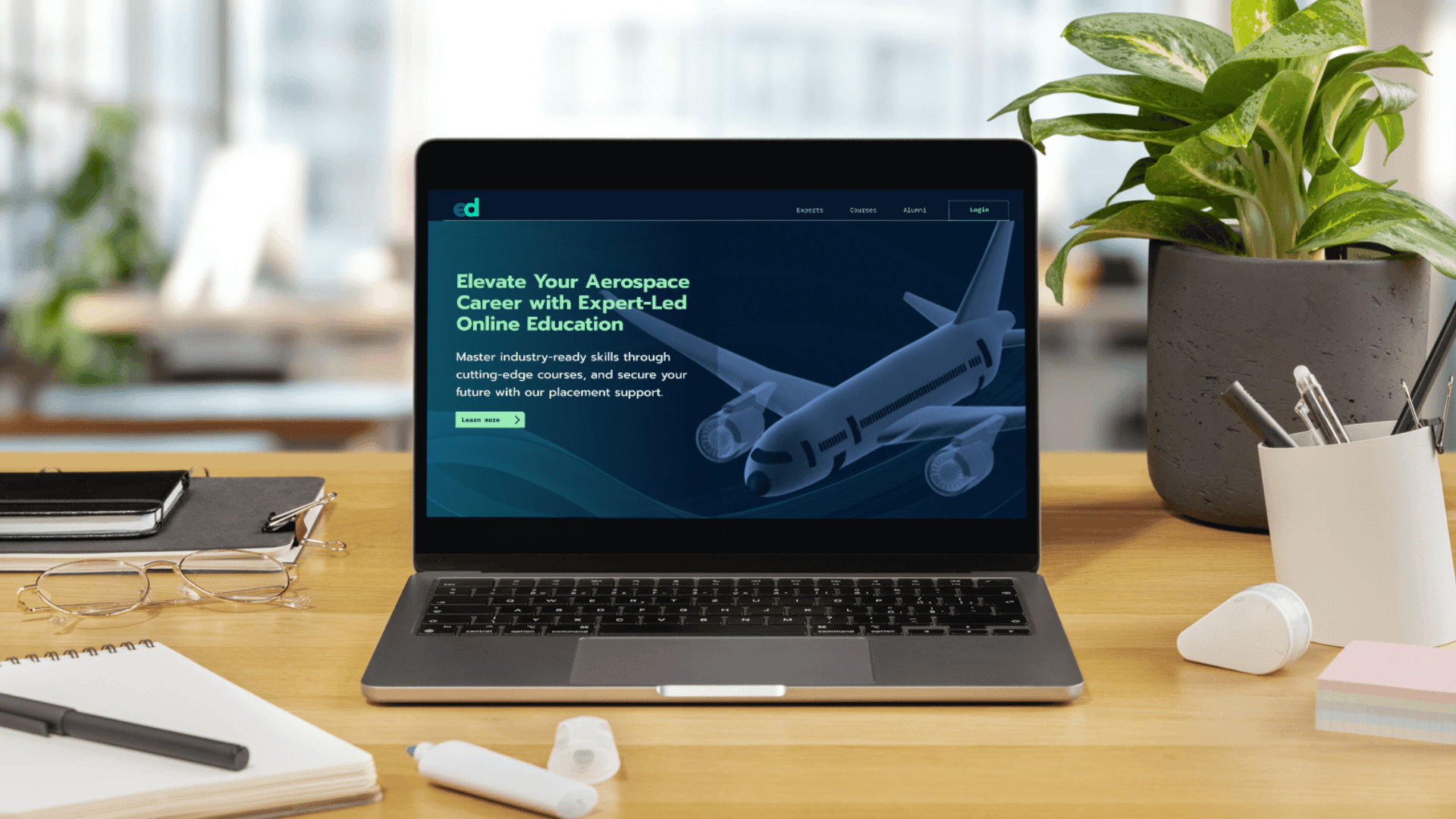
As the head of a design agency, Brainsauce, I collaborated with a client to transform their offline aerospace courses into an engagement-driven online learning platform.
Understanding the Mission
Our client was committed to addressing a critical gap in the under-served core engineering segment. Their mission was to create an industry-ready talent pool by offering high-quality aerospace courses tailored to market needs. With 675,000 engineering graduates annually struggling to secure well-paying jobs, the opportunity for meaningful impact was immense.
Phase 1: Researching the Edtech Ecosystem
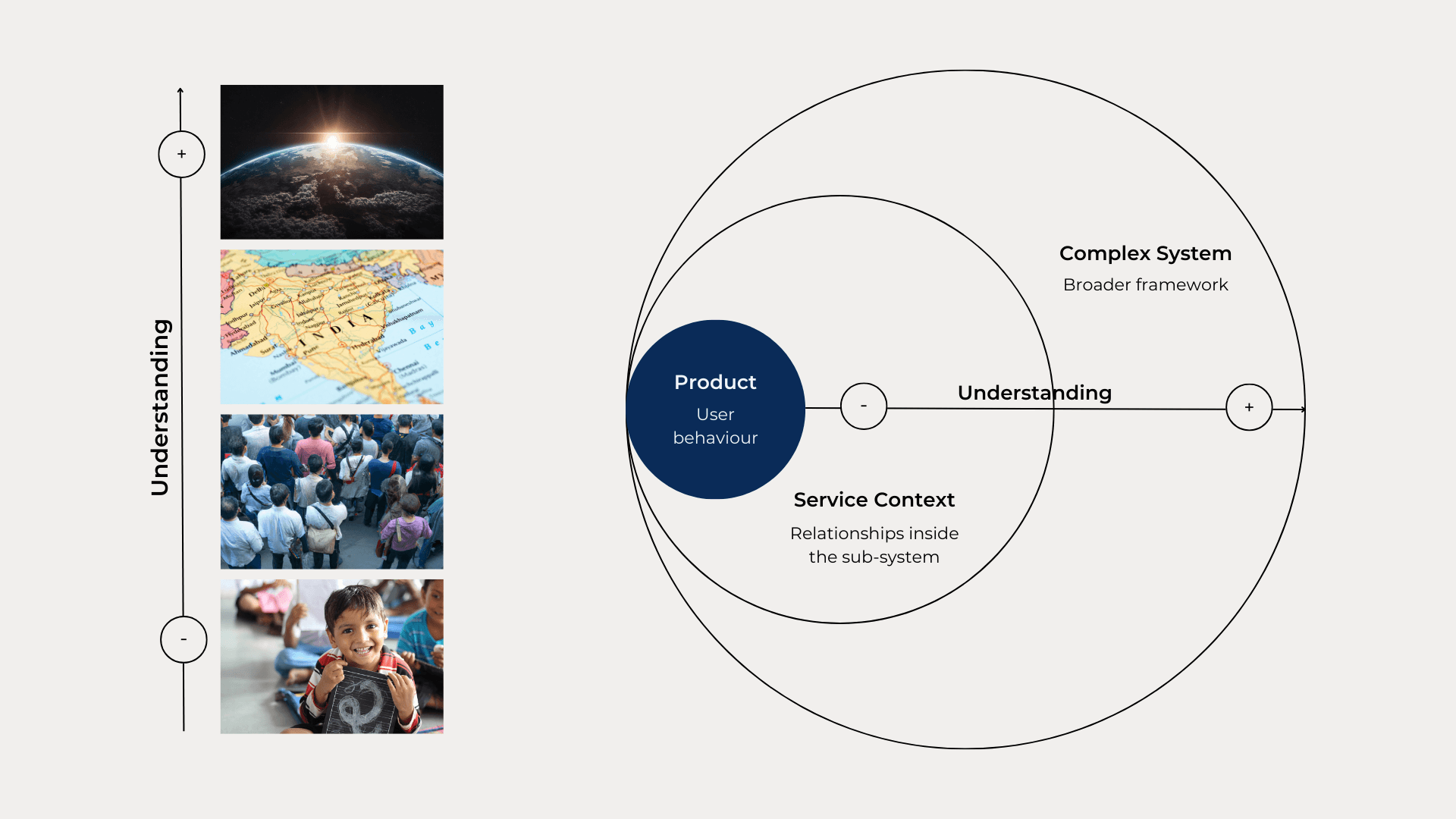
To design an effective online education platform, we started with integrating the Holistic Design approach with the Design Thinking framework, gathering insights into:
- 1. Broader frameworks: complex systems How can we make online learning as interesting as online entertainment, something like scrolling through social media?
- 2. Studying relationships inside the sub-system of education Explored educational components to understand what influences learning outcomes. This includes researching curriculum design, assessment methods, community support, and employability outcomes.
- 3. Studying users for product development Surveys and interviews with students revealed preferences for gamified assessments, flexible learning schedules, online peer communities, and high-quality content delivery.
Key Research Questions
- What specific skills do employers seek, and how can these be incorporated into the curriculum?
- What motivates students to enrol in online courses, and how do they perceive the current market offerings?
Findings:
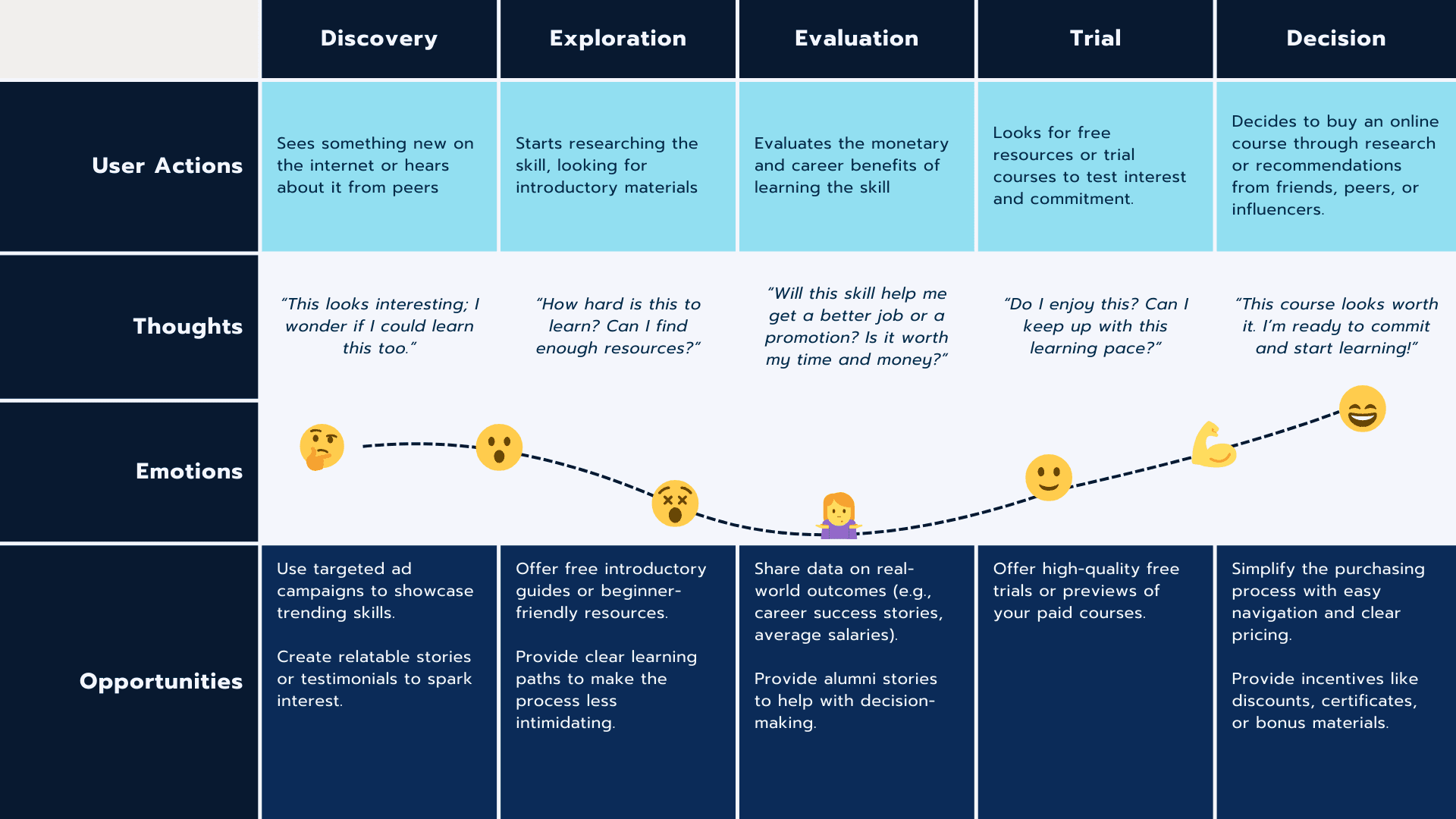
Our research with 37 participants revealed the significant challenges and expectations of online learners. Students appreciate the flexibility but are dissatisfied with low-quality courses. A standout quote summarized this sentiment:
The current state of online edtech is extremely poor. Low-quality instructors and overpriced courses dominate the market. The focus must shift to expertise and quality.
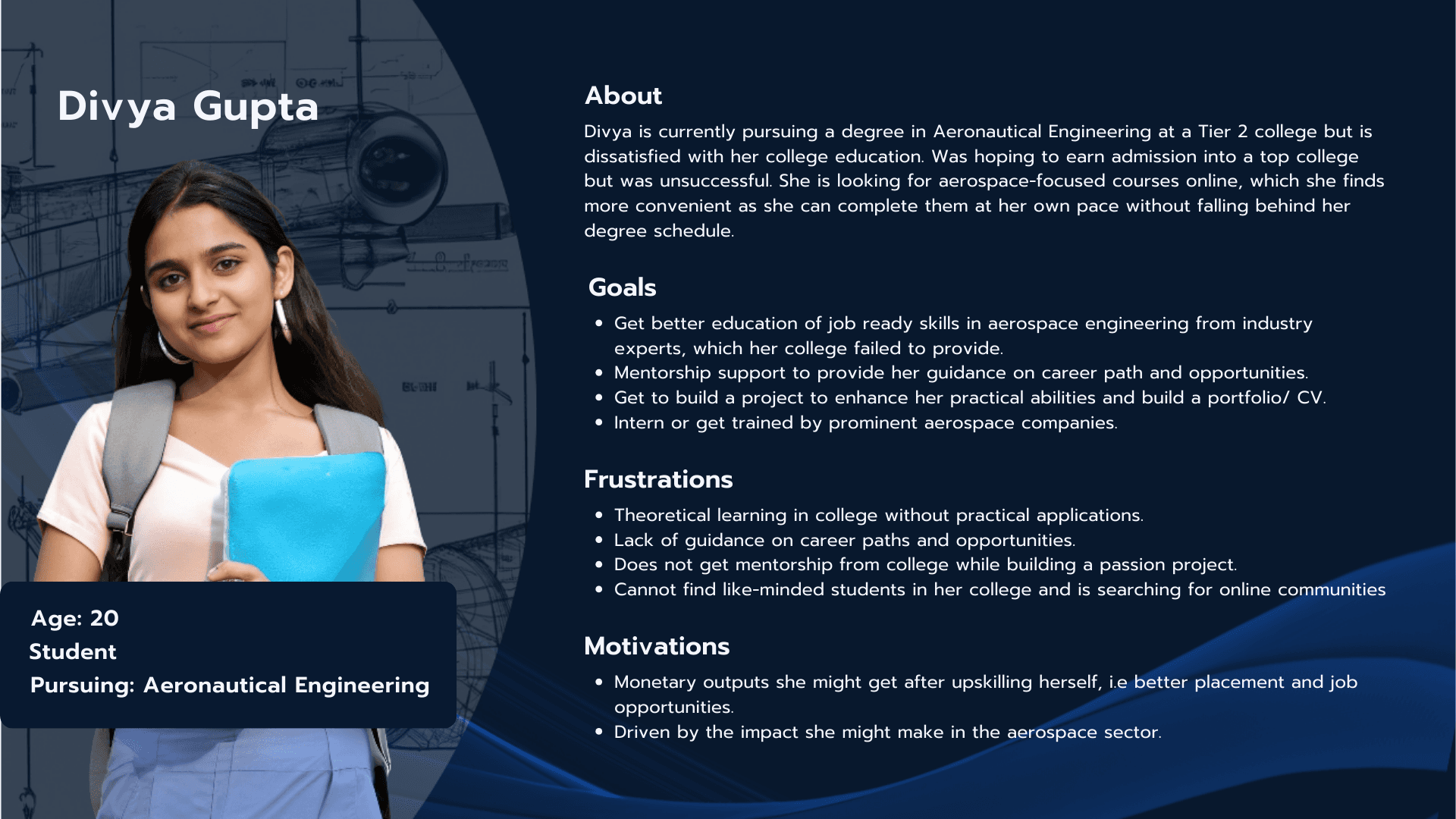
We found that students thrive with short, focused lectures of 20–30 minutes. Another evil factor is distractions from mobile notifications, ads, and unresolved doubts often ruin the experience. They also seek transparency and community. These insights helped us paint a vivid user person of our learners values and demands.
Phase 2: Industry and Competitor Analysis
We analyzed the market using Porter’s Five Forces. While the threat of new entrants is low due to capital barriers, substitutes pose a medium threat. However, mentorship-linked offerings provide a strong differentiation.
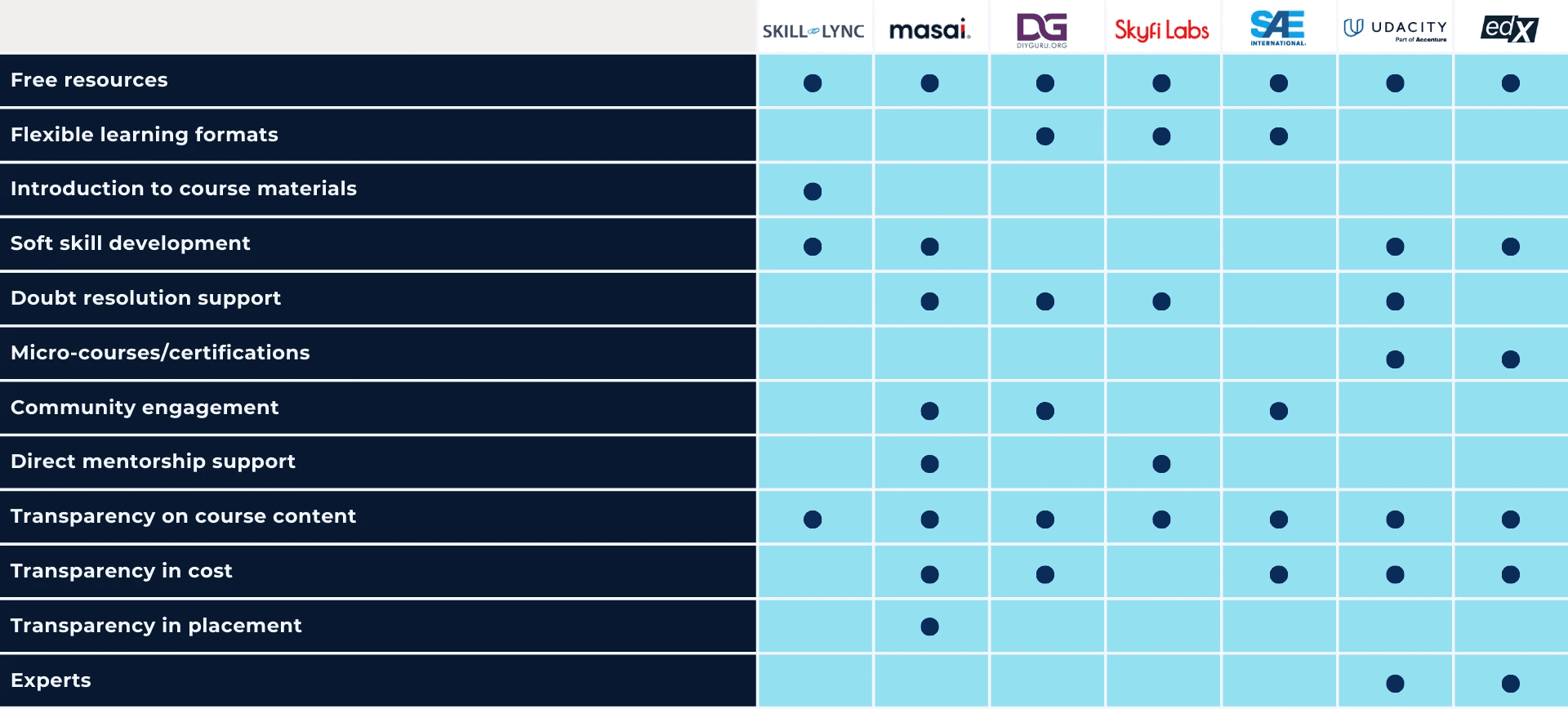
We benchmarked competitors against a 12-criteria framework to evaluate Quality of learning experience, Transparency in course offerings, and Additional support features.
Insight: We found out that our primary competitor met only 4 out of 12 criteria, while a secondary competitor fulfilled 8. The secondary competitor’s success validated our platform design ideas while inspiring new features.
Phase 3: Crafting the Strategy Brief
The strategy brief became the cornerstone of the project, blending user needs with business objectives.
Design Statement
Our new edtech platform helps K-12 students who want to upskill and become job ready by making our service transparent and providing quality content, expert instructors, mentorship support and community engagement.
Key Performance Indicators
- Increase in monthly active users
- Higher average session duration
- Growth in resource downloads
- Reduced bounce rates
- Fewer user-reported issues
Added Value
- Job oriented
- Transparent
- Quality content
- Expert instructors
- Mentorship support
- Community engagement
Guiding Principles
Phase 4: Platform Features
The platform design focuses on creating an engaging and user-friendly experience for online learners. Divided into 3 main focuses: website, learning management system and community building, the features include ROI-driven content, user testimonials, expert showcases, and community-focused elements like alumni programs and peer forums.
The Impact
Through research, strategic analysis, and feature planning, we provided the client with a robust foundation to build a groundbreaking edtech platform for aerospace courses. The work completed in the research and strategy phases set the stage for creating a learner-centric, innovative solution that could redefine how engineering students prepare for their futures.