Making Barter Work at Scale
We worked with BXI, a B2B barter exchange platform, to understand how barter operates across industries and how a digital platform could better support it. The project was undertaken at YCenter and combined research, ecosystem analysis, and UX thinking.

Why This Was Interesting
Barter is not new, but in modern businesses it is fragmented, informal, and often invisible. It exists through excess capacity swaps, bundled partnerships, negotiated deals, and non-cash arrangements, yet rarely as a deliberate system.
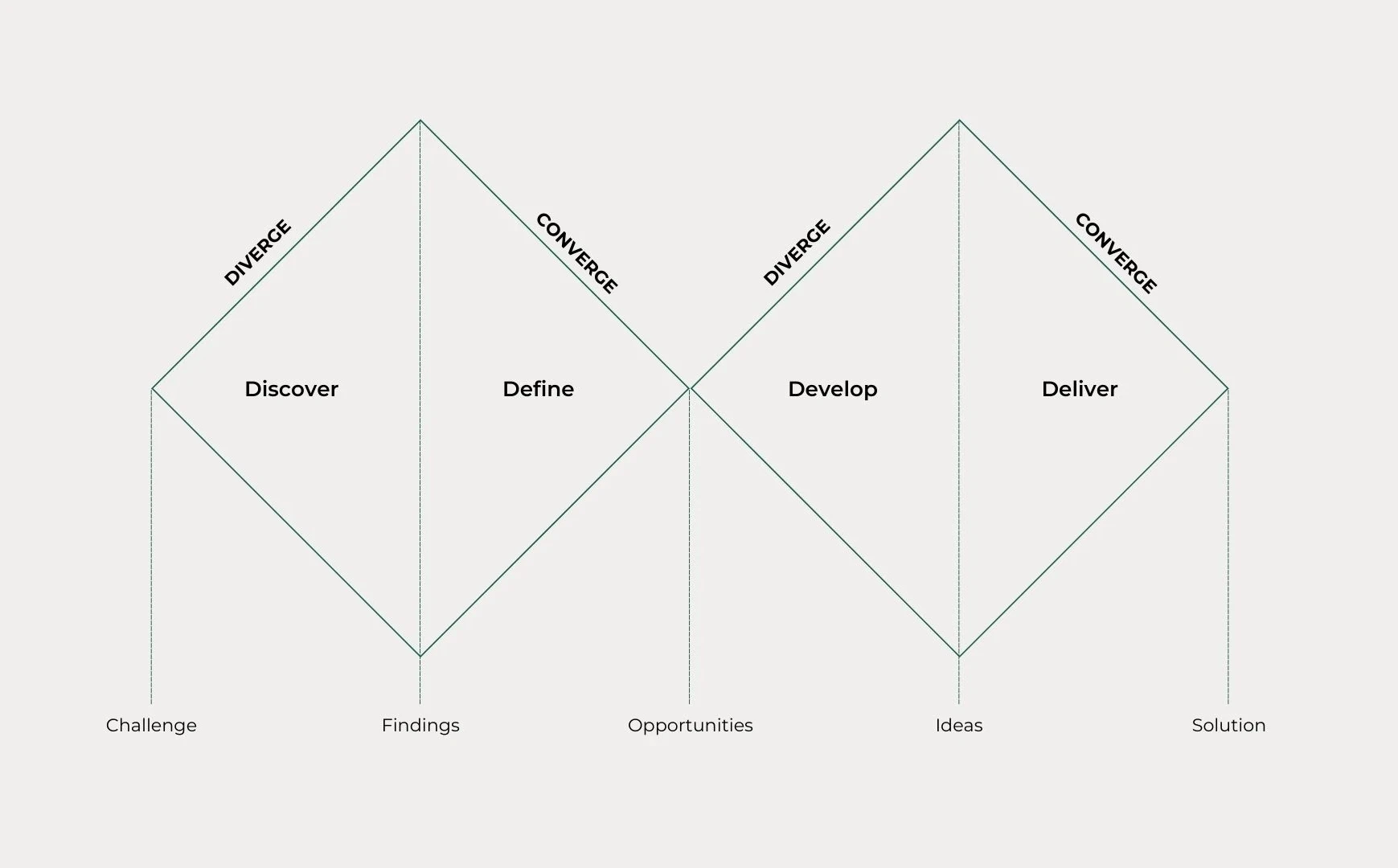
How We Approached the Problem
We started with studying existing systems.
Competitive and Indirect Competitive Research
We studied:
- Corporate barter exchanges
- B2B marketplaces
- P2P trading platforms
- Adjacent systems where multi-party exchange already succeeds
The goal was to understand how value moves when money is not central, how trust is created, and how platforms handle mismatched demand and supply.
This framed barter as a networked exchange problem rather than a linear buyer seller flow.
Cross-Industry Primary Research
We conducted over 12 hours of interviews with more than 20 companies across 11 industries, including real estate, airlines, hospitality, F&B, jewellery, logistics, manufacturing, media, and consumer durables.
The conversations covered:
- Procurement and vendor selection
- Inventory and capacity management
- Surplus, dormant, and seasonal assets
- Sales cycles, incentives, and perks
- Operational shifts after COVID
Despite industry differences, patterns repeated.
What We Learned
Surplus inventory is rarely the core issue
Most businesses already know how to offload excess stock.
Underutilized capacity is harder to act on
Idle services, seasonal downtime, and unused partnerships are harder to surface and harder to value.
Barter has a perception problem
It is often seen as risky, unbalanced, or inefficient due to poor experiences on existing platforms.
Translating Research into Platform Thinking
Using the research, we explored how a platform could better mirror real business behavior. Rather than forcing direct swaps, we focused on:
- Allowing users to move fluidly between buying and selling
- Supporting indirect exchanges instead of perfect matches
- Making discovery intentional rather than opportunistic
This led to platform-level explorations rather than a single defining feature.
Feature Directions Explored
Based on research patterns and adjacent platforms, we explored directions such as:
-
Outlier Discovery To surface unexpected but relevant exchange opportunities.
-
Request-led interactions Allow users to state needs instead of only browsing.
-
Conversational entry points To reduce friction in discovery and negotiation.
-
Fluid Buying/Selling Clear switching between modes, reflecting real business behavior.
-
Internal Value Representation Through BXI Coins to decouple buying from selling.
-
Concierge-assisted flows To support complex or high-value exchanges.
Each direction addressed a different friction observed during research.
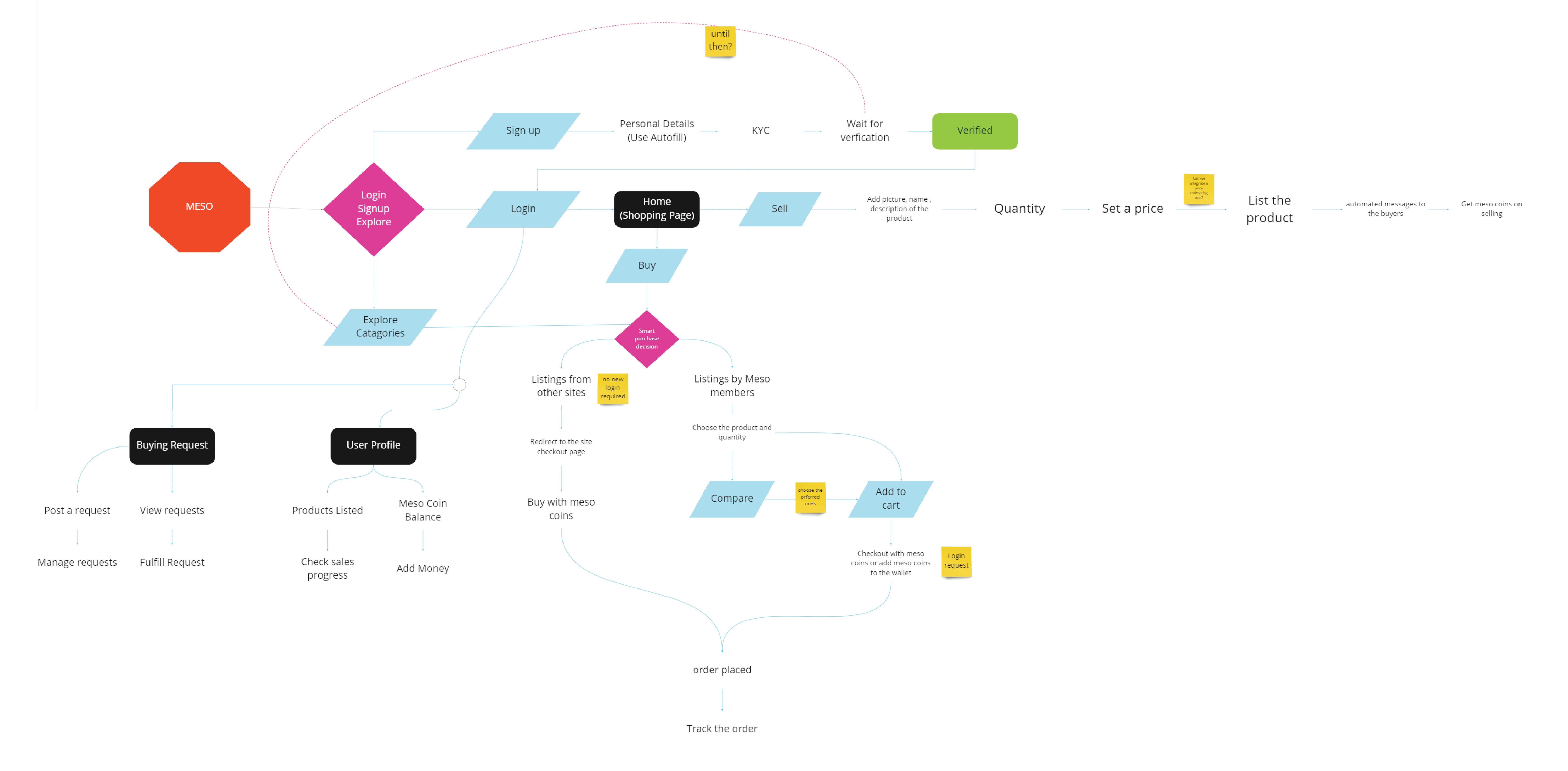
Exploratory Concept: Meso
We also explored Meso, a conceptual direction positioning the platform as an intelligence layer for B2B exchange rather than a traditional marketplace. While not taken forward, it helped clarify what belonged in near-term platform design versus longer-term infrastructure thinking.
What This Project Represents
This project was about understanding barter as a system shaped by incentives, trust, and coordination. The work combined:
- Cross-industry qualitative research
- Competitive and indirect competitive analysis
- Pattern recognition across platforms
- UX thinking as a synthesis and sense-making tool
Rather than optimizing isolated flows, the focus was on making a complex exchange model legible and usable through research-led design.